
The best things to do in Luxor combine the East Bank’s huge temple complexes with the West Bank’s royal tombs and mortuary temples. Ancient Thebes stretches across both sides of the Nile, so a clear plan matters more than a long list. With Oceanus Tours & Travel, your Egyptologist guide is with you at every stop, and we can arrange a private car or a Nile cruise to fit your route.
Key takeaways
- Pair East Bank temples with selected West Bank sites.
- Use the Nile to split the day into two site groups.
- Choose three tombs at the Valley of the Kings from those open that day.
- Check last-entry times before fixing your schedule.
How to Plan Things to Do in Luxor Across Both Banks
Two Banks, One Ancient City
The Ancient Thebes with its Necropolis UNESCO site covers 7,390 hectares, with a 444-hectare buffer zone. Thebes was Egypt’s capital during the Middle and New Kingdoms and the city of the god Amun. The monuments are not one walkable precinct, so we plan each bank as its own group.
- East Bank: Karnak Temple, Luxor Temple and Luxor Museum.
- West Bank: the Valley of the Kings, the Mortuary Temple of Hatshepsut and the Colossi of Memnon.
- More West Bank options: Medinet Habu, the Ramesseum and the Valley of the Queens.
How Long Does Each Visit Take?
Allow these typical times, including walking inside each site. Your guide adjusts the pace to your interests.
| Site | Typical visit time |
|---|---|
| Karnak Temple | 2–3 hours |
| Luxor Temple | 1–1.5 hours |
| Luxor Museum | 1–1.5 hours |
| Valley of the Kings (three tombs) | About 2 hours |
| Hatshepsut Temple | About 1 hour |
| Colossi of Memnon | 15–20 minutes |
| Medinet Habu | 1–1.5 hours |
| Ramesseum | About 1 hour |
| Valley of the Queens | About 1 hour |
A full East Bank day usually takes 6 to 7 hours, and a West Bank day 7 to 8 hours, with transfers and a lunch break.
What Makes Karnak One of the Essential Luxor Temples?
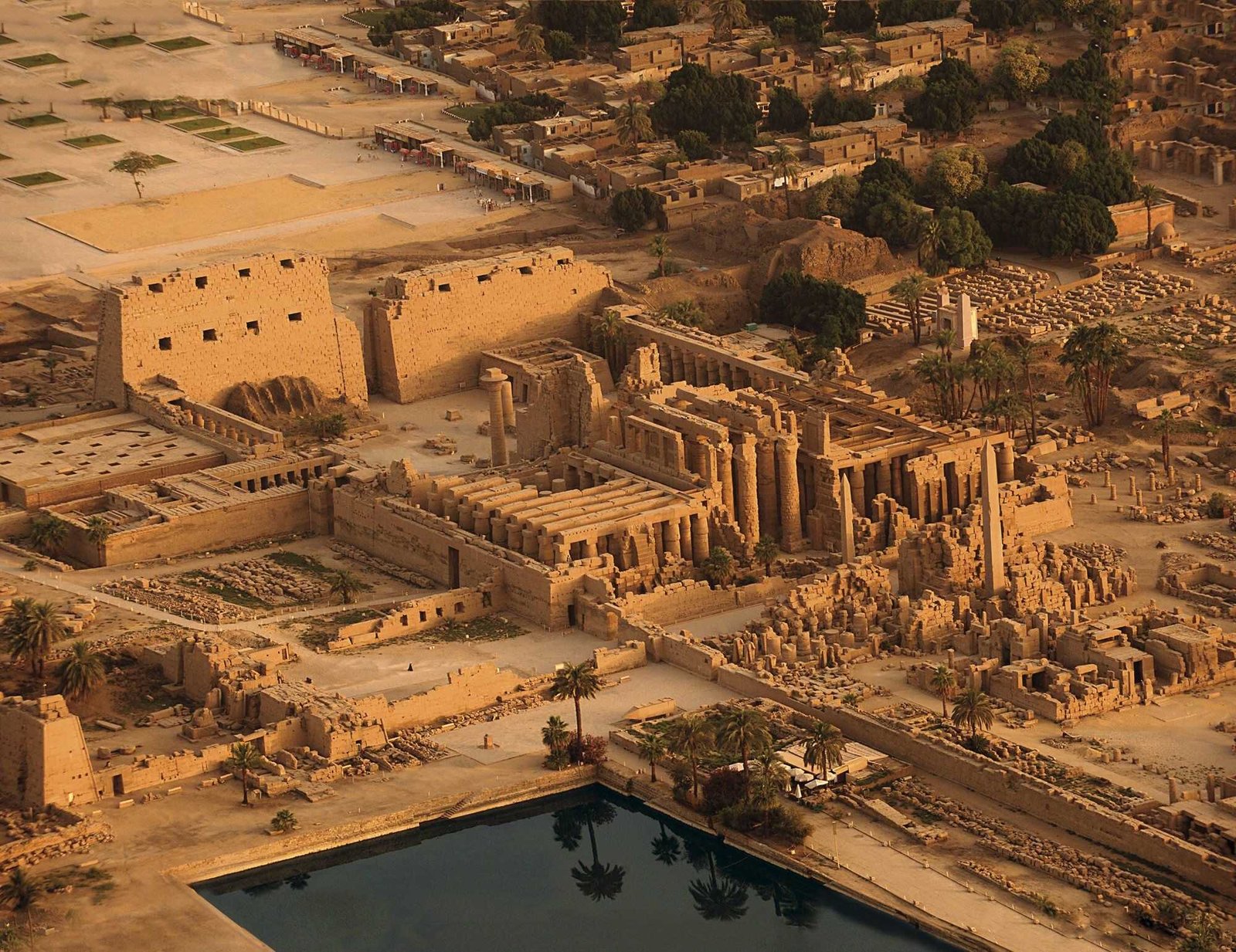
Karnak is the largest temple complex on the East Bank, built and changed over many centuries. It includes the precincts of Amun, Mut and Montu, plus the temple of Aten built under Akhenaten. Not every area is open to visitors.
The Great Hypostyle Hall
The Great Hypostyle Hall holds 134 columns. Most rise about 15 meters, while the 12 central columns reach 21 meters. Amenhotep III may have begun the hall, and Sety I and Ramses II completed most of its building and all of its decoration. Your guide will point out how the taller central row shaped the roof and the light inside.
What Should You Look for at Luxor Temple?
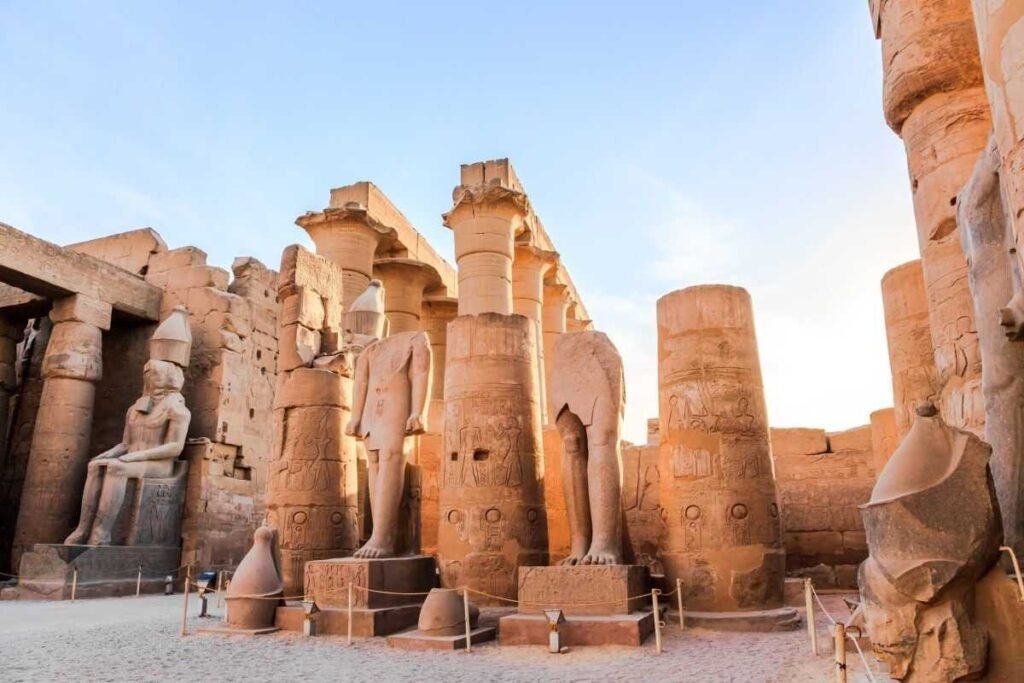
Luxor Temple sits in the middle of the modern city, with a huge gateway, royal statues and a long colonnade. Amenhotep III began it in the 1300s BCE, and Ramses II added most of the later work. A shrine linked to Alexander the Great is also part of the temple. Of the two obelisks that once stood at the entrance, one remains, and its companion now stands in Paris.
The Avenue of Sphinxes
The Avenue of Sphinxes links Luxor Temple and Karnak along a route 2.7 kilometers long and 76 meters wide. More than 1,350 sandstone sphinxes and ram-headed statues once lined it. Egypt reopened the restored avenue on November 25, 2021. During the 27-day Opet Festival, processions carried images of Amun-Ra, Mut and Khonsu between the two temples.
Is Luxor Museum Worth Adding?
Yes, if you want a quieter indoor stop after the outdoor temples. The museum’s statues and carvings help place the big monuments in context. Phone photography is free, and children under six enter free. It runs two sessions a day, and the last entry matches the end of each one.
| Season | Morning | Evening |
|---|---|---|
| Summer | 9:00 a.m.–12:00 p.m. | 5:00–7:00 p.m. |
| Winter | 9:00 a.m.–1:00 p.m. | 5:00–8:00 p.m. |
| Ramadan | 9:00 a.m.–1:00 p.m. | 5:00–7:00 p.m. |
How Should You Choose Tombs at the Valley of the Kings?
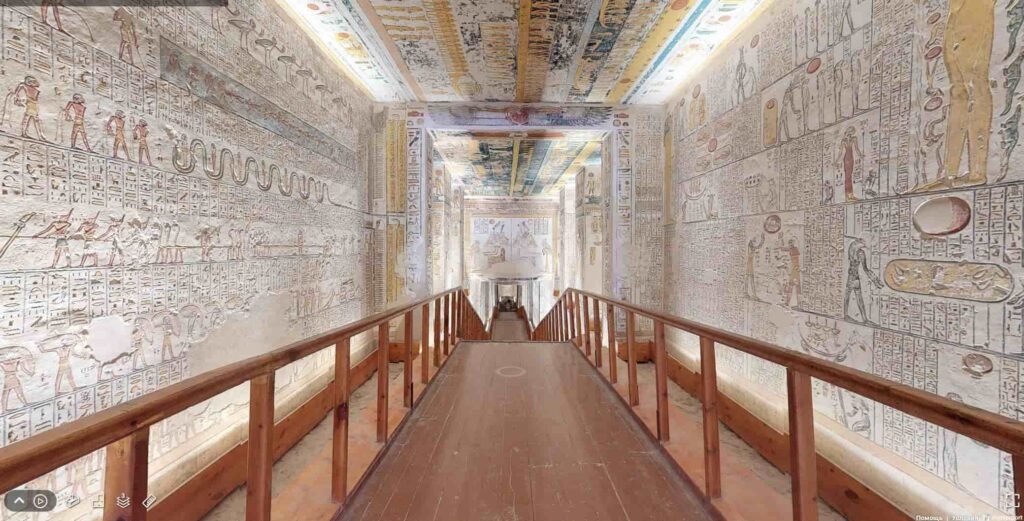
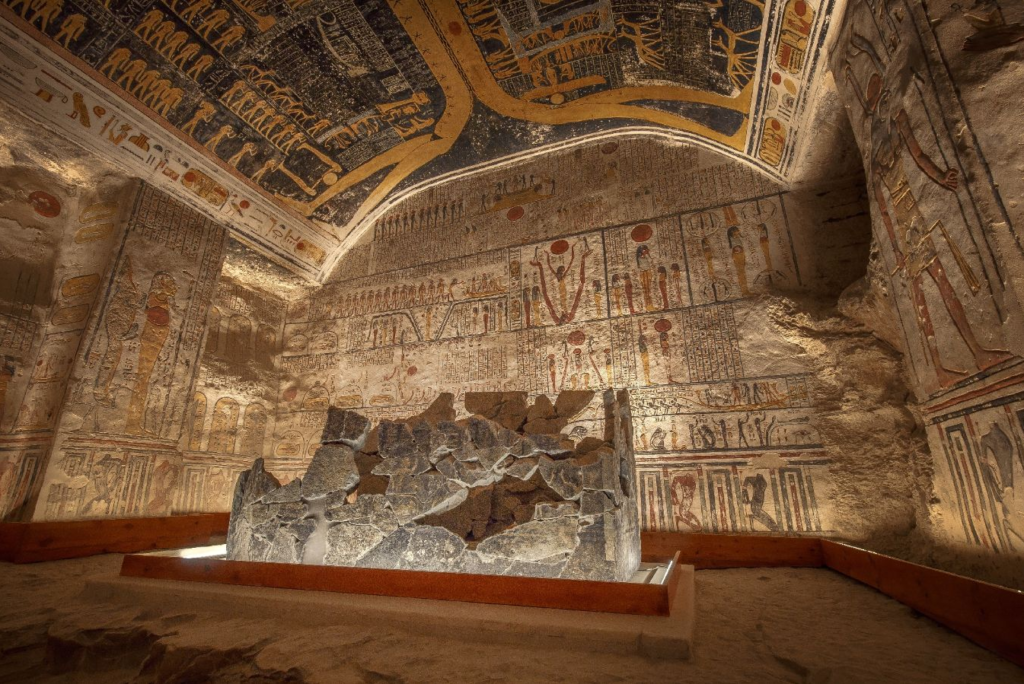
The valley has 63 numbered tombs, but only about 18 to 20 are open at a time, because tombs rotate for conservation. The standard ticket covers three open tombs of your choice, and your guide helps you pick the best ones for the day.
- Tutankhamun’s tomb: needs its own separate ticket.
- Seti I’s tomb: is 137 meters long and sometimes closes for conservation.
- Photography: standard tombs need a separate camera permit, and photography is not allowed inside Tutankhamun’s tomb, even with a permit.
The valley opens at 6:00 a.m., closes at 5:00 p.m. in summer and 4:00 p.m. in winter, and takes its last entry one hour before closing.
What Makes the Mortuary Temple of Hatshepsut Distinctive?
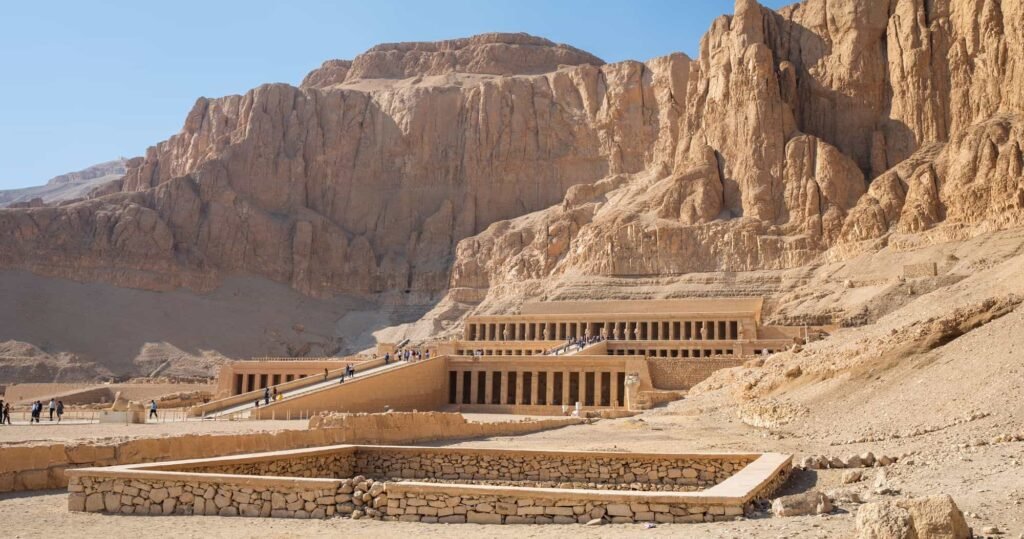
This temple rises in three colonnaded terraces against the cliffs of Deir el-Bahari, with two ramps connecting the levels. From the approach, its long horizontal lines stand out against the rock. Inside, look for the carved reliefs along the walls and columns. Some scenes are clearer than others, and your guide will help you read them.
Which Other West Bank Sites Are Worth Adding?
Colossi of Memnon
Two statues of Amenhotep III stand at the entrance to his mortuary temple. It is a short photo stop, usually 15 to 20 minutes, on the way to or from the main sites.
Medinet Habu
This is the mortuary temple of Ramses III. Its reliefs show his campaigns, including the Battle of the Delta, which makes it a good choice if you prefer temple walls to tombs.
The Ramesseum and the Valley of the Queens
The Ramesseum is a mortuary temple associated with Ramses II, and the Valley of the Queens is another tomb area on the West Bank. Add them only if you have time and a clear reason.
Which Things to Do in Luxor Fit a One-Day Itinerary?
One clear focus works best. Crossing the Nile and adding sites takes time beyond the visits themselves.
- Temple day (East Bank): Karnak Temple and Luxor Temple, about 4 hours of visiting. Add Luxor Museum if you have the time.
- Tombs and temples day (West Bank): the Valley of the Kings and the Mortuary Temple of Hatshepsut, plus a stop at the Colossi of Memnon.
- Mixed route: cross between banks only when the extra sites matter to you.
How Do Opening Hours and Last Entry Affect Your Visit?
Karnak, Luxor Temple and Hatshepsut Temple all open at 6:00 a.m. Last entry is 4:00 p.m. at Karnak and 7:00 p.m. at Luxor Temple. At Hatshepsut Temple it is 5:00 p.m. in summer and 4:00 p.m. in winter and Ramadan. Arrive at least one hour before closing, because last entry is not a full visit window. Schedules can change, so we confirm them before your tour.
Your Guide, a Private Car and a Nile Cruise with Oceanus
Your Egyptologist guide is with you at every site and explains the details as you go. Our Luxor day tours include a private car, so you move between the banks at your own pace. If you prefer to see Egypt from the river, we also offer Nile cruises, with the stops set by the itinerary you choose. Contact us and we will build the route around your time.
Conclusion
The most rewarding things to do in Luxor are the ones that match your interests and leave enough time to enjoy them. Pick a small group of sites, check the schedules, and let your guide handle the rest.
FAQ
Can you walk from Luxor Temple to Karnak Temple?
Yes, the Avenue of Sphinxes connects them over 2.7 kilometers. Allow extra time for entering each temple.
Which is better, Luxor Temple or Karnak?
Karnak suits visitors who want scale and the Great Hypostyle Hall. Luxor Temple is more compact and easier to see in one short visit. With time for both, you get a useful contrast.
What are the most famous temples in Luxor?
Karnak Temple, Luxor Temple and the Mortuary Temple of Hatshepsut.
What are the must-see places in Luxor?
Karnak, Luxor Temple and Luxor Museum on the East Bank, plus the Valley of the Kings and Hatshepsut Temple on the West Bank. The Colossi of Memnon make a quick extra stop.