
These luxor travel tips and advice begin with Luxor’s history and location. Ancient Thebes served as Egypt’s New Kingdom capital for about 500 years, from 1570 to 1070 BC. Today, the city lies approximately 675 km (420 miles) south of Cairo, a distance worth considering when planning your first visit.
Al-Uqsur, the Arabic name associated with ancient Thebes, means “the Palaces.” That history shapes the experience, from monumental temples beside the Nile to local neighborhoods and everyday life. This guide offers practical tips for planning travel between major sights, choosing a comfortable pace, and deciding how much time to spend on the river or in the city.
A well-planned trip does not need to turn every stop into a checklist. Leave room for rest, Nile activities, and unplanned discoveries. Meals and airport transfers are not included in standard arrangements; our travel team can arrange them separately at an additional cost.
Key Takeaways
- Luxor lies about 675 km (420 miles) south of Cairo.
- Al-Uqsur means “the Palaces” and reflects the area’s ancient past.
- Ancient Thebes was the New Kingdom capital from 1570 to 1070 BC.
- Plan time for monuments, Nile activities, and local neighborhoods.
- Choose a pace that allows for rest, not only sightseeing.
- Women and first-time visitors can plan with comfort and cultural respect in mind.
Luxor travel tips and advice for first-time visitors
First-time visitors should expect long walks, open courtyards, uneven stone paths, and limited shade. Wear supportive shoes, carry water, and use sunscreen and a hat. Set a realistic pace before leaving your hotel so you can take breaks instead of rushing between sites.
Plan Around the Sites, Heat, and Pace
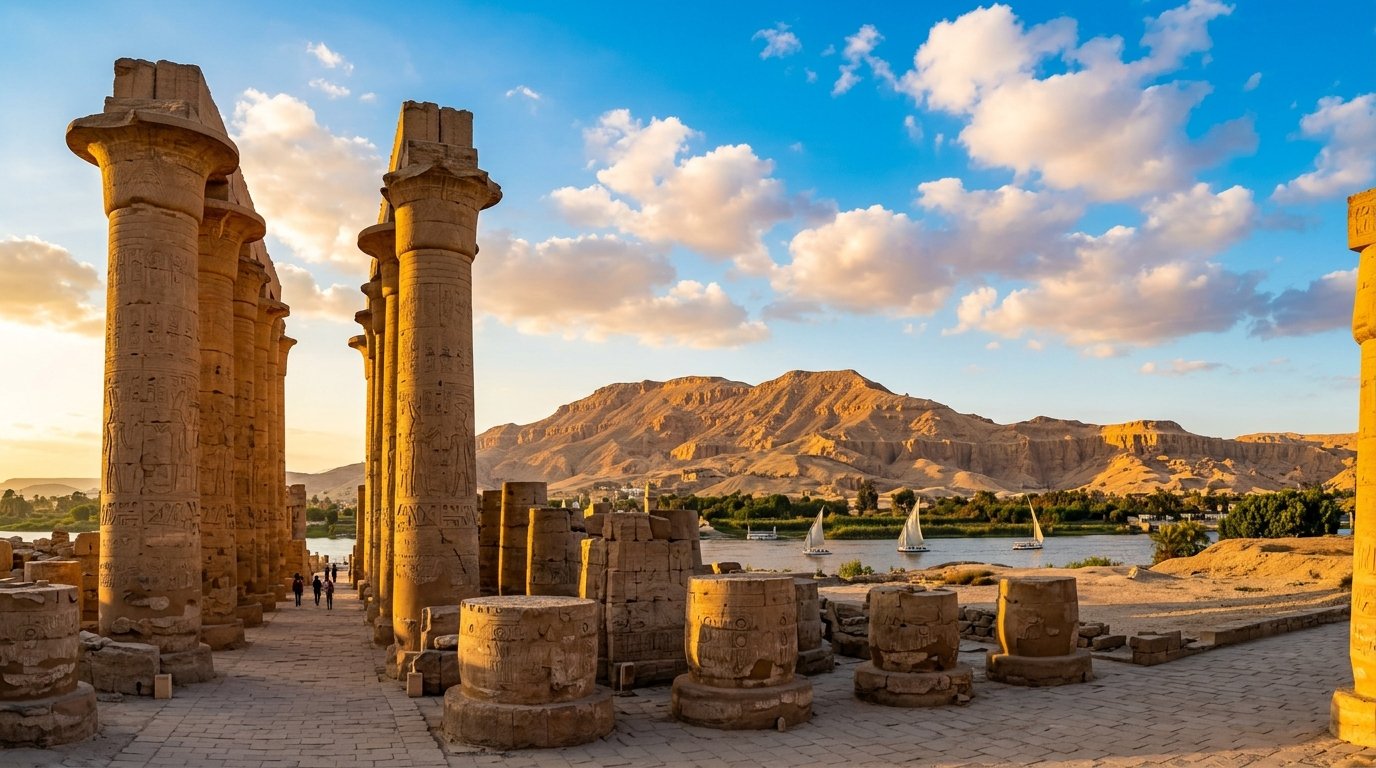
Visit outdoor areas during cooler hours, when the sun is less intense. The Great Hypostyle Hall at karnak temple contains 134 massive pillars, while Luxor Temple offers a different experience nearby on the east bank. The west bank has other monuments and quieter areas, so group attractions by riverbank to reduce unnecessary transfers.
- Plan walking: Choose a few sites rather than trying to see everything.
- Check the route: Allow time for transfers, shade, and rest.
- Consider guides: Our licensed Egyptian guide can explain history, layout, and local context.
- Show respect: Follow site rules and speak courteously with residents, staff, and others.
A measured schedule makes each stop more rewarding. These travel tips also mean confirming what is included; guides and transfers may be arranged separately at an additional cost.
Understand Luxor’s East Bank and West Bank
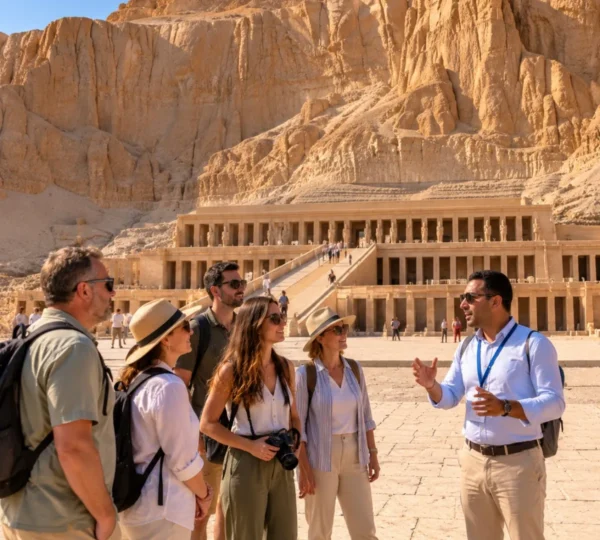
Ancient Egyptian beliefs associated sunrise with life, so the east bank became linked with the living. Across the Nile, the west bank served as a burial area. This history still influences how visitors experience each side, while the river also creates a practical choice between central services and archaeological sites.
Explore temples and city life on the East Bank
The East bank places Luxor Temple, Karnak Temple, hotels, restaurants, shops, and transport links close to daily services in the city. It suits visitors who want convenient access to food, pharmacies, and other places, as well as families or travelers with limited mobility. Staying here can also simplify transfers to each site. places Luxor Temple, Karnak Temple, hotels, restaurants, shops, and transport links close to daily services in the city. It suits visitors who want convenient access to food, pharmacies, and other places, as well as families or travelers with limited mobility. Staying here can also simplify transfers to each site.
The West Bank holds New Kingdom tombs and mortuary temples built for pharaohs.
Keep in mind that visiting it usually costs more, because most sites, including the tombs, sell separate tickets and getting across the Nile adds transport costs. El-Gezirah and Al-Tarif offer guesthouses and smaller hotels in quiet village settings, with more chances to meet locals. Services are more spread out here, so confirm what your tour includes before you book.
Choose the best time to visit Luxor
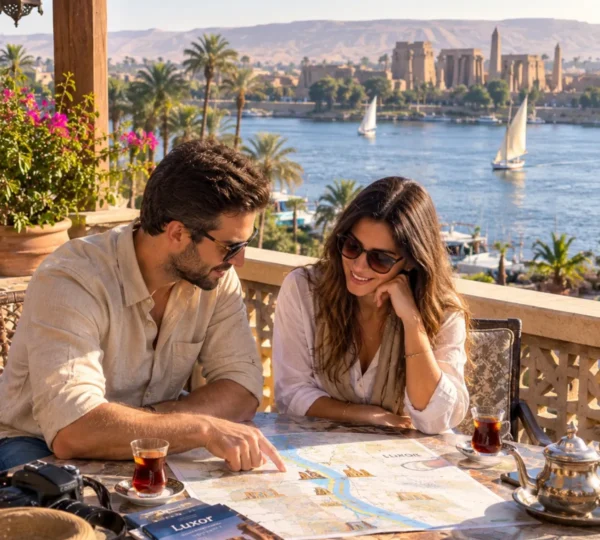
The best time to visit Luxor depends on your tolerance for heat, budget, and preferred pace. September through May generally suits outdoor sightseeing, while Ramadan may affect restaurant availability and daily activities. Check the relevant dates and current guidance before booking.
Compare cool winter months with hot summer days
September through may usually brings daytime temperatures near 20–25°C (68–77°F), with cooler evenings. These months are comfortable for open-air sites, although demand may increase and prices can vary.
June through August can reach 40°C (104°F) or higher. Plan outings early, carry water, and shorten visits to exposed monuments when the sun is strongest. Summer may bring fewer crowds, but rates depend on demand rather than following a fixed pattern.
For many visitors, the best time is during the cooler months. Others may prefer a quieter summer trip. Leave flexibility in your schedule, compare seasonal prices, and consider how the city’s climate will affect your travel.
Confirm Ramadan schedules before departure because site access, restaurants, or daytime activities may change. The best time for your trip is the season that matches your comfort and plans.
Decide how many days to spend in Luxor
At least three days allow you to see the principal sites without turning every visit into a race. Attractions are spread across both riverbanks, so group nearby monuments and allow time for transfers. A lot depends on your pace, mobility, and interest in history, museums, or Nile activities.
See Luxor’s essential temples on the East Bank
The east bank combines historic architecture with convenient access from central Luxor. These temples deserve a measured visit because their scale and details are difficult to appreciate at a glance.
Explore Karnak Temple early to avoid crowds and midday sun
Start at karnak temple during the cooler morning hours, when its broad grounds are easier to explore. The complex is about 3 km (1.75 miles) north of central Luxor. Allow enough time to understand its east-west and north-south layout, including the ten pylons that frame the sanctuary area. An early visit limits exposure to the midday sun.
Visit the Valley of the Kings and choose tombs thoughtfully
The Valley of the Kings contains rock-cut burial chambers built for New Kingdom pharaohs. The Valley of the Kings includes many chambers, but access varies by individual tomb and current ticket category. Check with official ticket offices or our licensed Egyptian guide before your visit. A special-entry ticket may be required for a particular tomb. The Valley of the Kings is best explored slowly so you can notice painted walls and carved scenes. Do not touch decorated surfaces, cross barriers, or use flash photography where it is prohibited.
See the Temple of Hatshepsut plus the Colossi of Memnon
The Temple of Hatshepsut, traditionally dated to 1498–1483 BC, rises in three terraces connected by ramps. The Temple of Hatshepsut remains a major site, while the Colossi of Memnon represent the most visible remains of Amenhotep III’s mortuary temple. Damage to the northern statue in 27 BC was reportedly repaired under Roman emperor Septimius Severus in AD 199.
For a measured day, pair these sights with the Ramesseum or Medinet Habu, both mortuary temples. Check which areas are open before setting out, and choose the stops that matter most to you.
Choose how to arrive in Luxor
Your arrival options depend on your starting point, available time, comfort, and budget. Compare air, rail, road, and river routes before setting your itinerary, and confirm current schedules, costs, and inclusions with each provider.
Your Transportation in Luxor
From the moment you arrive in Luxor, whether by air or Nile cruise, our private vehicle and driver are ready to take you around throughout your stay. Airport pickup and drop-off can be arranged separately at an additional cost, while all local transfers between your hotel and the sites are included as part of your tour.
Find the right hotel for your Luxor trip
Your lodging choice affects meal access, travel time, and how easily you reach major sights. Choose a property that matches your itinerary, preferred pace, and accessibility needs.
Compare East Bank convenience with West Bank quiet
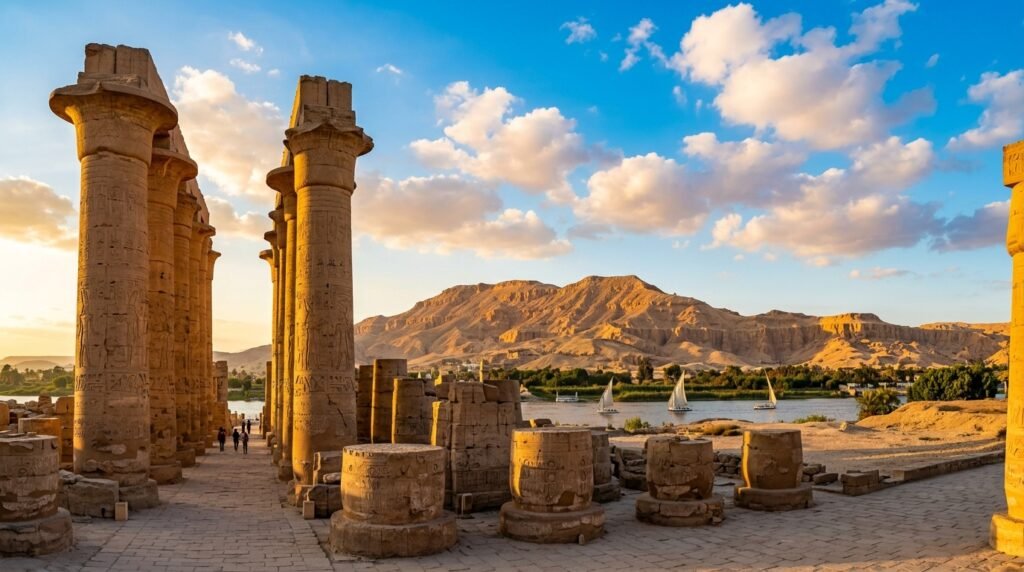
Hotels and restaurants are concentrated on the east bank, near shops, services, and transport. This location can suit guests who value convenient river crossings and easy access around the city. On the west bank, village lodging may offer a calmer setting near archaeological areas, although restaurants, shops, and transport can be more spread out. Prices vary by property, season, and included services.
Book ahead during the cooler, busier months
Cooler months can increase demand, so compare hotels and reserve early near popular sites. Before confirming a hotel, check air conditioning, elevator or step-free access, Nile views, cancellation terms, address, and distance to transport. Ask whether airport pickup or a daily ride is included. Meals and airport transfers are not included unless specifically stated; our travel team can arrange them separately at an additional cost. Clear booking terms help prevent surprises.
Entry tickets can be arranged in advance by Oceanus Tours & Travel for an additional fee, so you spend less time waiting in queues.

Look for traditional Egyptian meals in clean settings
Depending on availability, try dishes such as koshari, ful, ta’ameya, grilled foods, bread, fruit, or vegetarian meals. Choose busy, clean restaurants and ask about ingredients, preparation, and drinking water if you have dietary needs.
- Check conditions: Standards and prices vary between restaurants and places.
- Consider your hotel: Many guests eat there, but hotel restaurants differ by property.
- Stay flexible: Others prefer familiar food between sightseeing and rest.
- Ask before ordering: Confirm ingredients and cooking methods when needed.
There is no need to plan every meal in advance, but meals are not included in tours or accommodation packages unless stated. Our travel team can arrange them separately at an additional cost.
Carry bottled water and plan for cooler hours
Buy sealed bottled water from reliable vendors and carry enough for each outing. Use sunscreen, a hat, breathable clothing, sunglasses, and an offline map when exploring exposed tombs or other monuments. Early morning or late afternoon may be more comfortable than midday, depending on weather, official access, and personal tolerance. Take breaks in shaded areas and check crowds near restaurants and transport stops. Protecting time for rest makes a long day easier.
Conclusion
To visit Luxor comfortably, plan around both riverbanks, local transport, and seasonal heat. Allow at least three days for major temples, museums, and selected tombs; add another day for a slower experience.
Start early at karnak temple and other open-air sites. Compare hotel locations, confirm inclusions. Meals, airport transfers, guide services, and special-entry tickets may be excluded and can be arranged separately at an additional cost.
FAQ
What should first-time visitors know about Luxor?
When is the best time to visit?
How many days should I spend in the city?
Should I stay on the East Bank or West Bank?
Which temples and tombs are worth prioritizing?
Should I hire a guide?
What should I know about food, local culture, and clothing?
How can I manage crowds, sun, and everyday costs?