
The Temple of Dakka is one of the most surprising temples in Egypt: a sanctuary of the god Thoth begun by a king of Nubia, expanded under Greek-ruled Egypt, and then lifted stone by stone out of the path of Lake Nasser. It is quiet, rarely crowded and full of stories you will not hear at the big Nile temples. This guide covers its history, what to see, how long to spend there, the best time to visit (September to May) and how to reach it from Aswan.
What Is the Temple of Dakka?
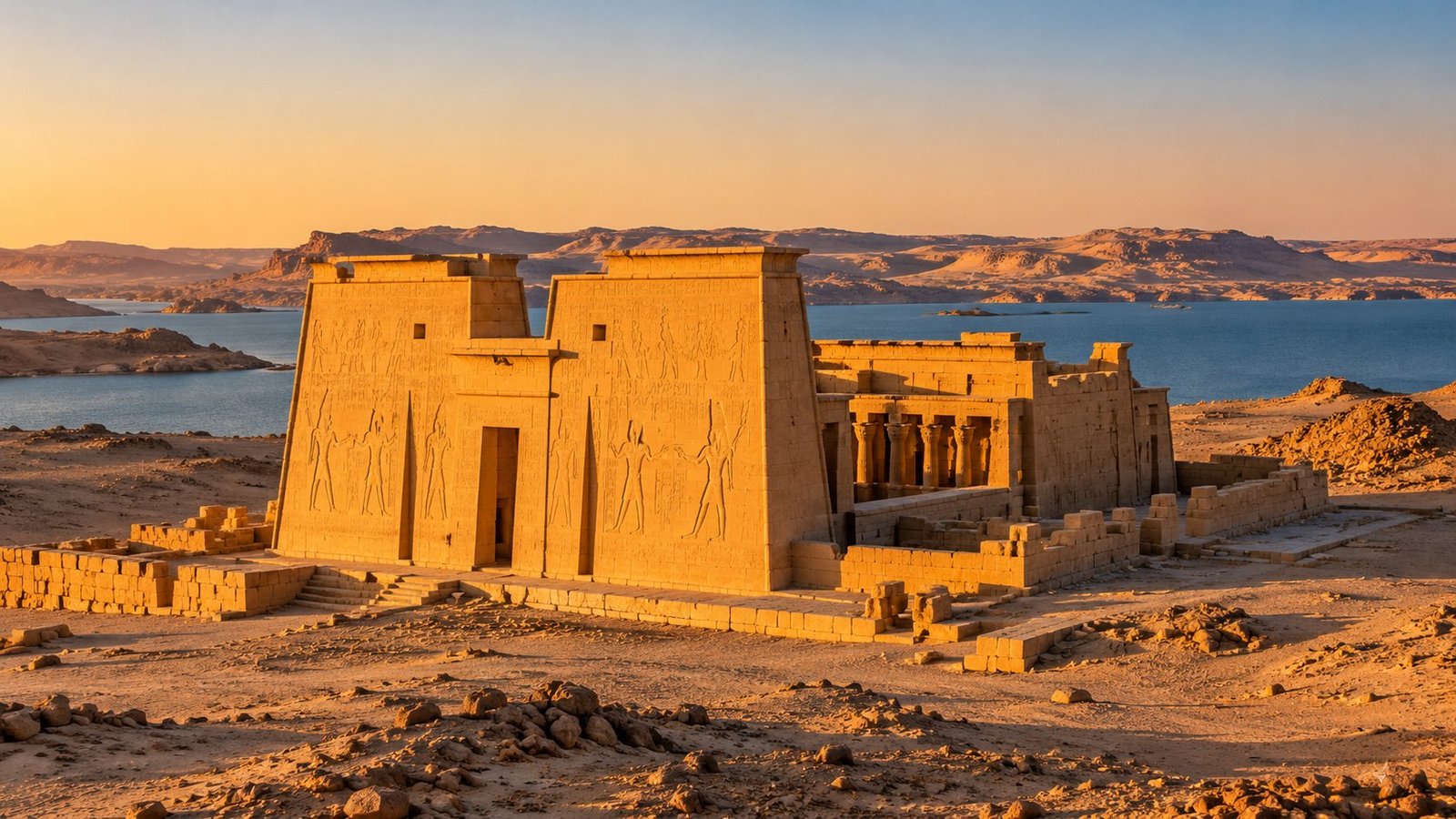
The Temple of Dakka is a sandstone temple in Lower Nubia, on the west bank of Lake Nasser, well south of Aswan. In ancient times the town around it was called Pselchis by the Greeks. Today the temple stands at the site known as New Wadi es-Sebua, together with two other monuments, the Temple of Wadi es-Sebua and the Temple of Maharraqa.
It was dedicated to Thoth of Pnubs, a Nubian form of Thoth, the god of writing, wisdom and the moon. Dakka is part of the UNESCO World Heritage site known as the Nubian Monuments from Abu Simbel to Philae.
Fascinating Facts About the Temple of Dakka
Started by a Nubian king
Most famous Egyptian temples were built by pharaohs. Dakka was begun by Arqamani, a king of Meroe, the great kingdom of Kush that ruled the lands south of Egypt. The oldest part is a small sanctuary he built in the Ptolemaic period, which makes Dakka a rare temple where a Nubian ruler left his mark so close to Egypt.
Where three worlds meet
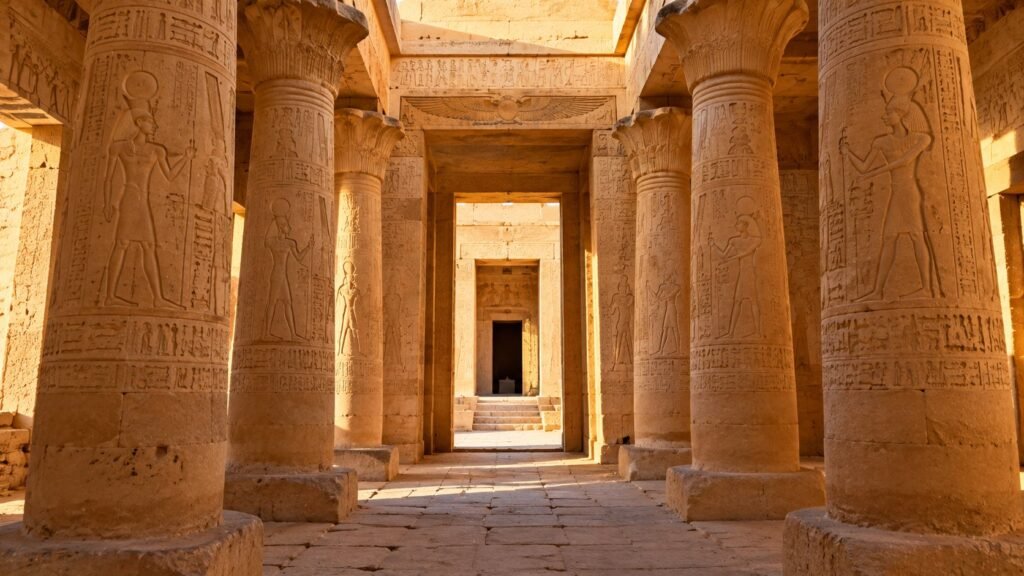
After Arqamani, Ptolemaic kings added to the temple, and Roman emperors later added more decoration. The reliefs show both Nubian and Ptolemaic rulers making offerings to the gods, so Dakka is a meeting point of Nubian, Egyptian and Greek traditions in a single building.
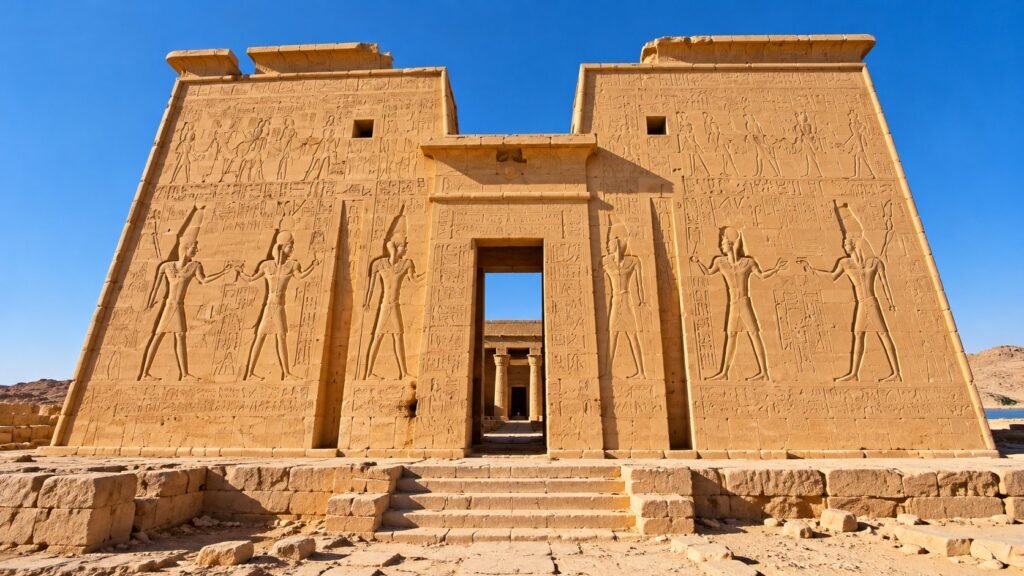
A pylon with a staircase
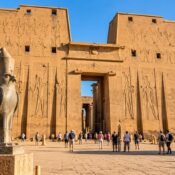
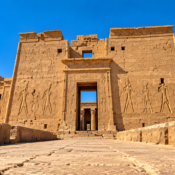
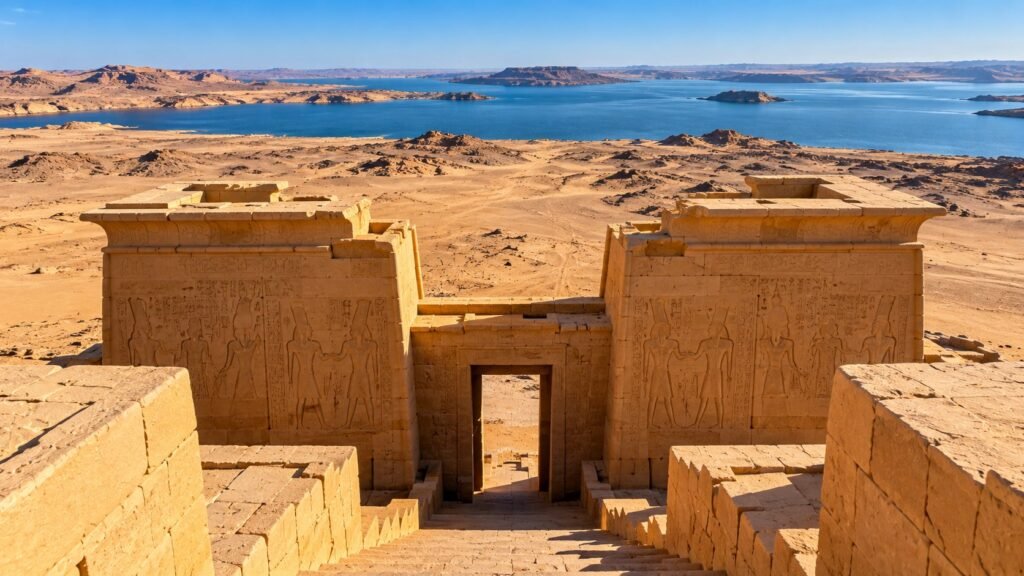
The entrance gateway, or pylon, is about 12 meters (40 feet) high. A staircase inside it leads toward the top, which once gave priests, and today gives visitors, a wide view over the desert and the lake.
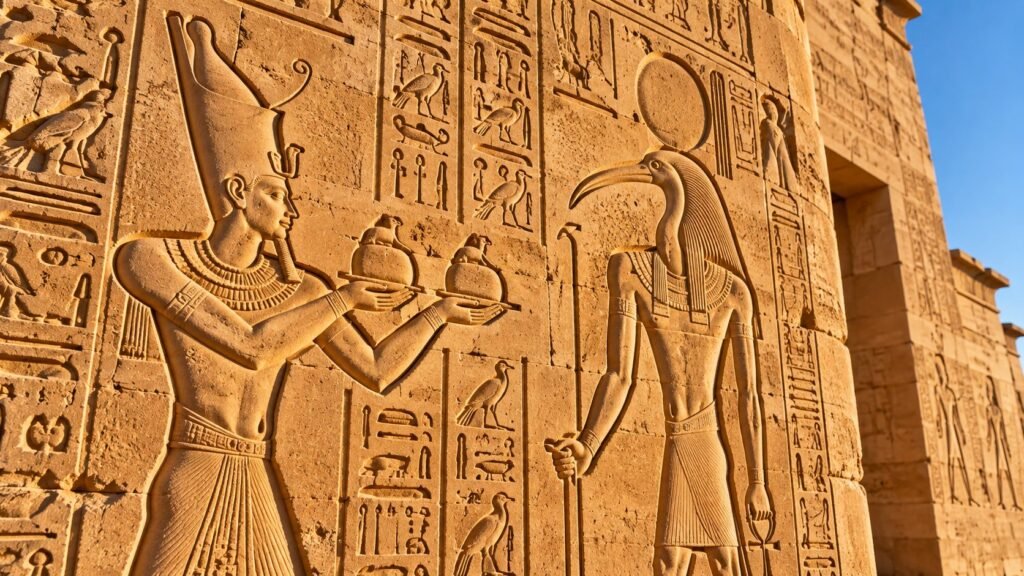
Thoth, the god of writing
Thoth was the divine scribe of ancient Egypt, usually shown with the head of an ibis or as a baboon. He was the patron of writing, counting and wisdom, and the temple of Dakka was the home of his Nubian form, the lord of Pnubs.
A frontier town
In the Greek and Roman periods, Pselchis belonged to the Dodekaschoinos, a frontier region south of Aswan that Rome controlled. Here the Egyptian world met the kingdom of Kush, which is why the temples of this region show such a rich mix of languages, gods and styles.
Saved from the lake
When the Aswan High Dam was built in the 1960s, the rising water of Lake Nasser threatened the temples of Nubia. During the international UNESCO rescue campaign, Dakka was taken apart and rebuilt on higher ground at New Wadi es-Sebua, along with its neighbors.
A rare spiral staircase next door
The small Roman-period Temple of Maharraqa, dedicated to the god Serapis, stands beside Dakka. It is known for a spiral staircase, a very unusual feature in an ancient Egyptian temple.
What You Will See at the Site
- The pylon: the tall entrance gateway, with the staircase inside it.
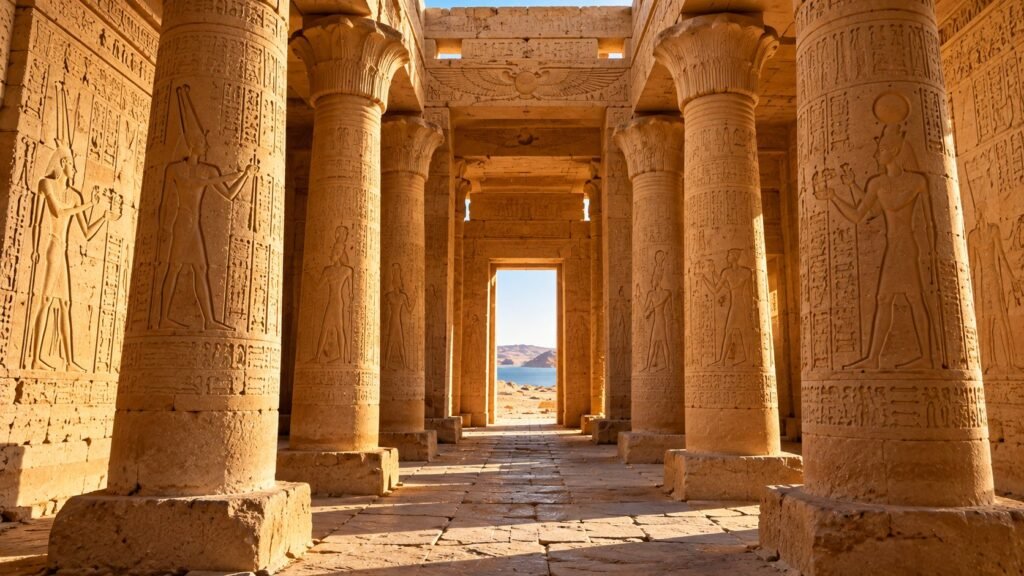
- The entrance hall (pronaos): a hall of columns and carved walls.
- The inner sanctuary: the oldest part of the temple, linked to Arqamani.
- Reliefs of kings and gods: Nubian and Ptolemaic rulers making offerings to Thoth and other gods.
- The Temple of Wadi es-Sebua: the “Valley of the Lions,” named for the sphinxes that line its approach, built under Ramesses II.
- The Temple of Maharraqa: a small temple with a spiral staircase.
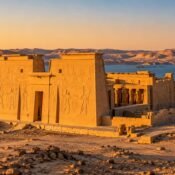
- The lake view: open desert and calm water, with very few visitors.
A guide is essential here, because a good Egyptologist connects these monuments into one story. At Oceanus Tours, your tour guide stays with you throughout the trip and explains everything along the way. Planning more of Aswan? Read our Aswan travel guide before you go.
Why Visit Dakka?
Dakka is not a place to tick off in a hurry. It rewards travelers who like quiet sites, big stories and open landscapes. You can stand beside a gateway built by a Nubian king, climb a stair inside the pylon, and look out over the desert and the lake without a crowd around you. Together with Wadi es-Sebua and Maharraqa, it gives you a side of Egypt that most visitors never see.
How Long Does a Visit Take?
Dakka is a small temple, so the visit itself is short.
- Dakka only: about 45 minutes to 1 hour.
- With Wadi es-Sebua and Maharraqa: add about an hour for the two neighbors.
Most visitors see all three monuments in one stop, usually as part of a longer journey in Nubia.
The Best Time to Visit the Temple of Dakka
Best season: From September to May. The most pleasant months are November to March, while September, October, April and May can still be warm, so an early start helps. In summer (June to August), temperatures in Nubia are very high, and there is almost no shade at the site.
Best time of day: early morning, when the air is cooler and the light is soft on the sandstone.
Note: Opening hours and ticket prices change from time to time. When you book with Oceanus Tours, we handle tickets for you.
How to Get to the Temple of Dakka
- From Aswan: Dakka is well over 100 km (60 miles) south of the city, so it is a long journey by road rather than a short half-day trip.
- By Lake Nasser cruise: Dakka is usually one of the stops on cruises on the lake, together with Wadi es-Sebua and other Nubian monuments.
- With a guide: because access and roads can change, plan the trip with a local team that knows the current route.
Plan Your Visit with Oceanus Tours
At Oceanus Tours, a Luxor-based Egyptian travel company with more than 25 years of experience, we plan private trips across Egypt. Your Egyptologist tour guide stays with you throughout the trip and explains everything along the way, and our newer team members are just as experienced. Dakka is an off-the-beaten-path stop, so contact us and we will plan it with you. You can also see our Aswan day tours and our Nile cruises, or start with our Private Aswan Highlights Tour, which covers the High Dam, Philae Temple and the Unfinished Obelisk.
Frequently Asked Questions About the Temple of Dakka
Where is the Temple of Dakka located?
It is on the west bank of Lake Nasser in Lower Nubia, south of Aswan, at the site known as New Wadi es-Sebua.
Who was the Temple of Dakka dedicated to?
It was dedicated to Thoth of Pnubs, a Nubian form of the god Thoth, who was associated with writing, wisdom and the moon.
Who built the Temple of Dakka?
It was begun by Arqamani, a king of Meroe, in the Ptolemaic period, and later expanded by Ptolemaic kings, with decoration added under Roman emperors.
Why was the Temple of Dakka moved?
Because the Aswan High Dam created Lake Nasser, whose rising water would have covered it. It was moved in the 1960s to higher ground as part of the UNESCO rescue campaign.
What else is near the Temple of Dakka?
The Temple of Wadi es-Sebua and the Temple of Maharraqa stand at the same site, so you can see three monuments in one stop.
How long does a visit take?
About 45 minutes to 1 hour for Dakka alone, and around 2 hours with its two neighbors.
What is the best time of year to visit?
From September to May, with the most pleasant weather from November to March.
Do I need a guide?
Yes, a guide makes the whole visit. At Oceanus Tours, your Egyptologist tour guide stays with you throughout the trip and explains everything, from the history of Nubia and the god Thoth to the story of the temple’s move.
The Temple That Mixes Three Cultures
The Temple of Dakka is small, but it carries a big story: a Nubian king, a god of writing and an international rescue from the rising water. Here is what to remember before you go:
- Visit between September and May, and go early.
- Allow about 1 hour for Dakka, and about 2 hours with Wadi es-Sebua and Maharraqa.
- Plan the journey in advance with a team that knows the route.
Contact Oceanus Tours today on (+20) 101 806 4111 or at info@oceanusluxor.com, or send us your inquiry to request your free quote. Tell us your dates and group size, and our team will prepare a tailor-made plan for you.
Explore more with Oceanus Tours: Aswan Day Tours | Nile Cruises | Dahabiya Nile Cruise | Travel Packages | Aswan Travel Guide