
Gebel el-Silsila is an ancient sandstone quarry and sacred landscape where the Nile narrows between cliffs. It lies on both banks of the river between Edfu and Kom Ombo in southern Egypt, and it is a quiet, memorable stop on a Dahabiya Nile cruise.
For travelers interested in ancient Egypt, the site gives the Nile journey a close view of how people shaped the river’s banks. Cliffs, open water and human marks meet in a setting tied to both work and worship.
Key Takeaways
- It is an ancient sandstone quarry and sacred place beside the Nile.
- Its quarries lie on both riverbanks.
- Tool marks and workers’ inscriptions are still visible in the rock.
- Temples, chapels, stelae and inscriptions reflect different periods.
- Confirm access, transfers, guiding and costs with your operator before you travel.
Gebel el-Silsila as a Source of Sandstone
According to Egypt’s Ministry of Tourism and Antiquities, more than a hundred quarries here were worked for the sandstone used in many ancient Egyptian temples. The quarries lie on both sides of the Nile, so this was not a single cut in one cliff, but a broad source of stone along the river.
Sandstone suited building projects that needed large, workable blocks. Workers cut the blocks from the bedrock and left a record of extraction across the site.
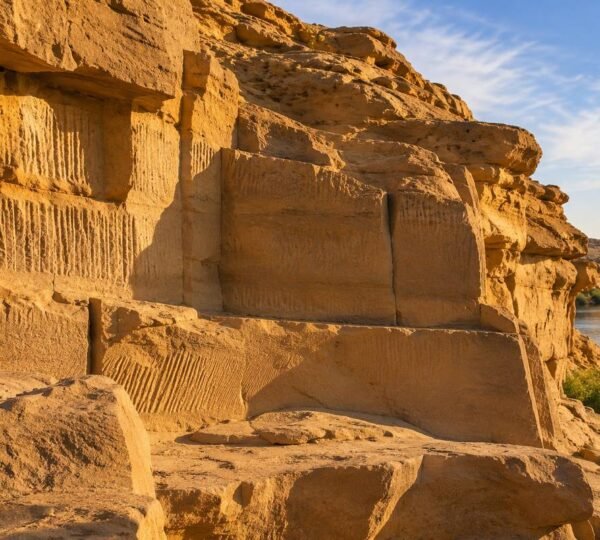
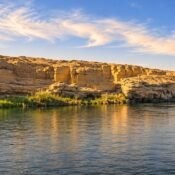
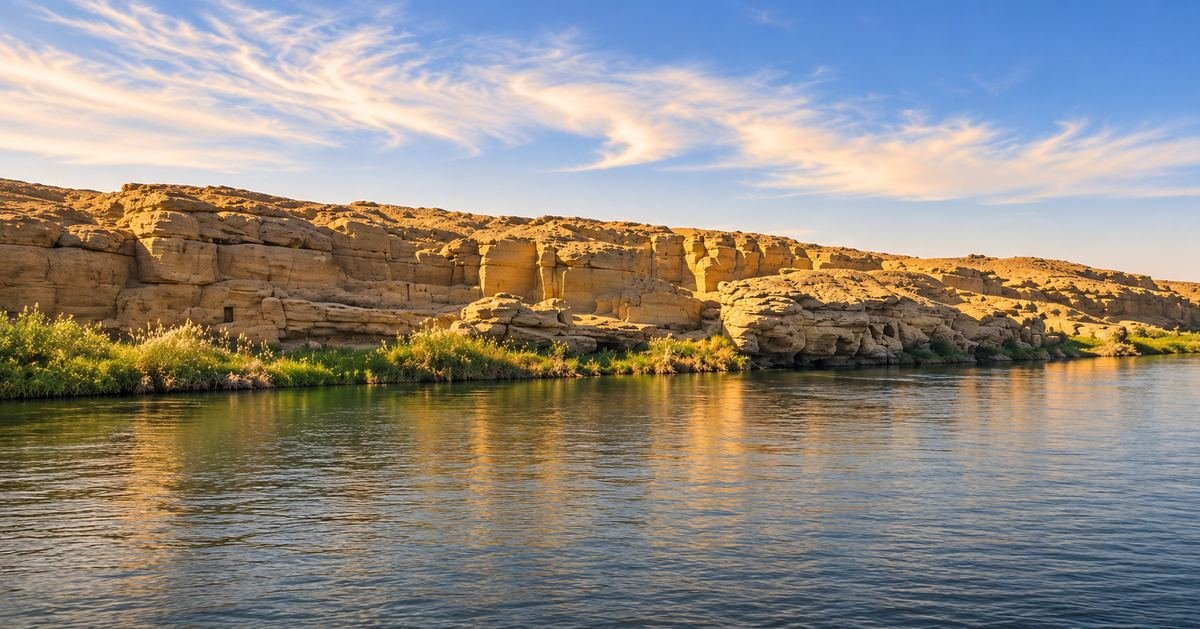
Quarry faces and cut blocks show where stone was taken from the rock
Quarrying across many centuries
Quarrying here continued from the Middle Kingdom, about 2034 to 1650 BC, into the 20th century. That long span shows many periods of use, not one brief effort to supply a single building.
The quarries supplied building material for many temples. We do not link the stone to any famous building without proof. One example from the site’s own record is a stela of King Shoshenq I, which records the opening of a quarry for a pylon at Karnak. You can see the temple that stone was cut for on our Karnak Temple tour.
Where Gebel el-Silsila Is on the Nile
Gebel el-Silsila lies between Edfu and Kom Ombo, at a narrow stretch of the Nile framed by cliffs. Cliffs rise along both banks as the river passes through, so the area should be read with both sides of the river in mind.
This is why the site fits naturally between two of the most famous temples of Upper Egypt. On a Nile journey it is a stop between Edfu Temple, dedicated to Horus, and Kom Ombo, the double temple. If you start your trip in Aswan, you reach Kom Ombo first, then Gebel el-Silsila, then Edfu.
What the Quarries Show
Tool marks and workers’ inscriptions remain visible in the quarries. These traces are direct evidence of activity in the stone, although they do not record every action or decision.
Researchers study quarry faces, trenches, spoil heaps and unfinished blocks to understand how stone was extracted. An unfinished block shows that work stopped before the stone reached a finished form, and a trench shows the shape of an extraction area. No single mark tells the whole story, so careful looking matters more than trying to rebuild a full work sequence from one feature.
Temples, Chapels and Sacred Structures
The best-known temple here is the Speos of Horemheb, a rock-cut temple on the west bank. It dates to the reign of Horemheb, about 1323 to 1295 BC, and is dedicated to seven deities. It is the only one of two temples that still survives at the site.
The chapels of the officials
Thirty-two rock chapels are cut into the cliff above the Nile. They belonged to high officials of the New Kingdom, mostly contemporaries of Hatshepsut and Thutmose III. If you want to see more from that period, read our guide to the Temple of Hatshepsut and other sights in Luxor.
Stelae beside the Nile
A stele is an upright stone monument, often marked with text or images. Here there are rock stelae dedicated to the Nile god Hapy, set up under Ramesses II and Merenptah. A large stela of Ramesses III, who ruled about 1184 to 1153 BC, is also part of the site. Many more shrines, stelae and graffiti date from prehistory to after the Roman Period, so the monuments are best read as layers of activity, not as the work of one era.
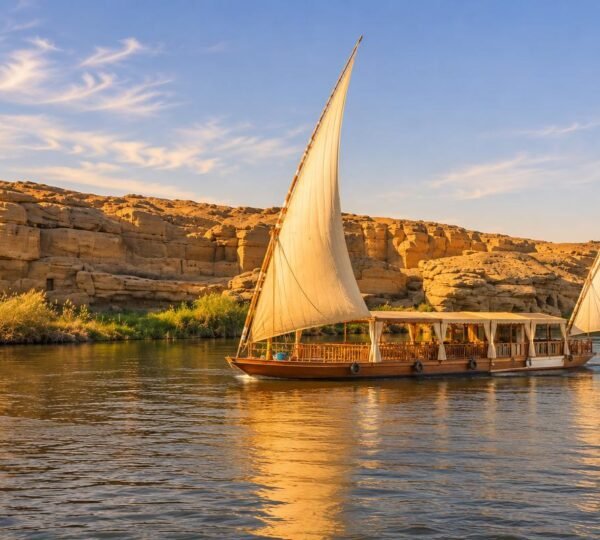
A Dahabiya is a slow, relaxed way to see the Nile between Aswan and Luxor
Visiting Gebel el-Silsila on a Dahabiya Nile Cruise
A Dahabiya is a small traditional sailboat, and it is a slow, relaxed way to travel between Aswan and Luxor. Our Dahabiya Nile cruises include this stop between Edfu and Kom Ombo:
- The 5 days Aswan to Luxor Dahabiya cruise visits the quarries, a local village and Edfu on day 3.
- The 8 days Dahabiya Nile cruise combines Luxor, the Dahabiya and Aswan, with the quarries on day 5.
If you prefer a bigger ship, see our Nile cruises. For sightseeing before or after the cruise, browse our Luxor day tours.
Philae is a separate stop
Philae is a different heritage site and not part of Gebel el-Silsila. According to UNESCO, it is one of ten component parts of the Nubian Monuments from Abu Simbel to Philae, and it is described as the great Ptolemaic sanctuary of the goddess Isis. A UNESCO campaign from 1960 to 1980 saved the sanctuary from the rising Nile waters. You can visit it on our Philea High Dam and Unfinished Obelisk tour,.
Conclusion
The site offers a rare view of the quarry landscape behind many ancient Egyptian monuments. The site brings together the material origins of temples and a sacred setting marked by chapels, stelae and inscriptions. The right visit depends on what your itinerary includes, so ask your operator to state the stop, the transfers and the guiding clearly before you book.
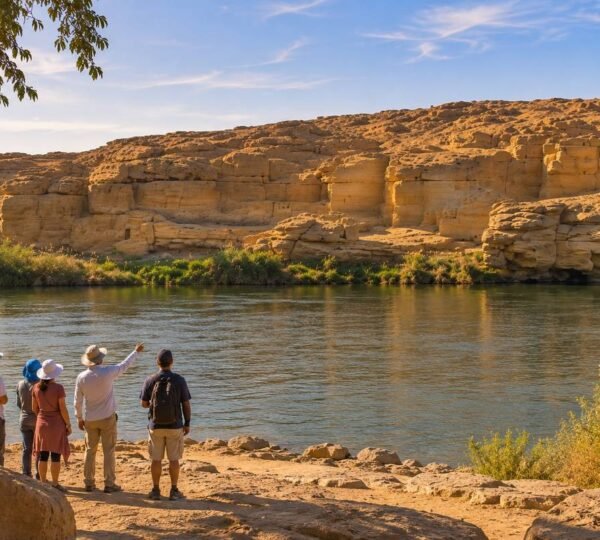
A guide explains the quarry cliffs to a small group of travelers
Frequently Asked Questions
Where is Gebel el-Silsila?
Gebel el-Silsila is in southern Egypt, between Edfu and Kom Ombo, with quarries on both banks of the Nile.
Why is Gebel el-Silsila important?
It was a major source of sandstone for ancient Egyptian temples, and it also holds the Speos of Horemheb, rock chapels, stelae and inscriptions.
How old are the quarries?
Quarrying continued from the Middle Kingdom, about 2034 to 1650 BC, into the 20th century.
Were all the monuments built in the same period?
No. The Speos of Horemheb dates to about 1323 to 1295 BC, the chapels mostly to the time of Hatshepsut and Thutmose III, and other shrines, stelae and graffiti range from prehistory to after the Roman Period.
Is Philae part of Gebel el-Silsila?
No. Philae is a separate site near Aswan and part of UNESCO’s Nubian Monuments property.
How can I visit the site?
The easiest way is on a Dahabiya or Nile cruise between Aswan and Luxor. Ask your operator whether the stop, access, transfers and guiding are included.