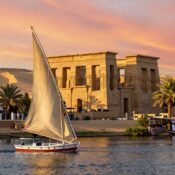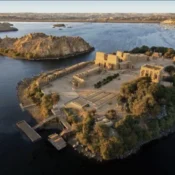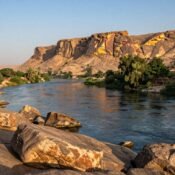

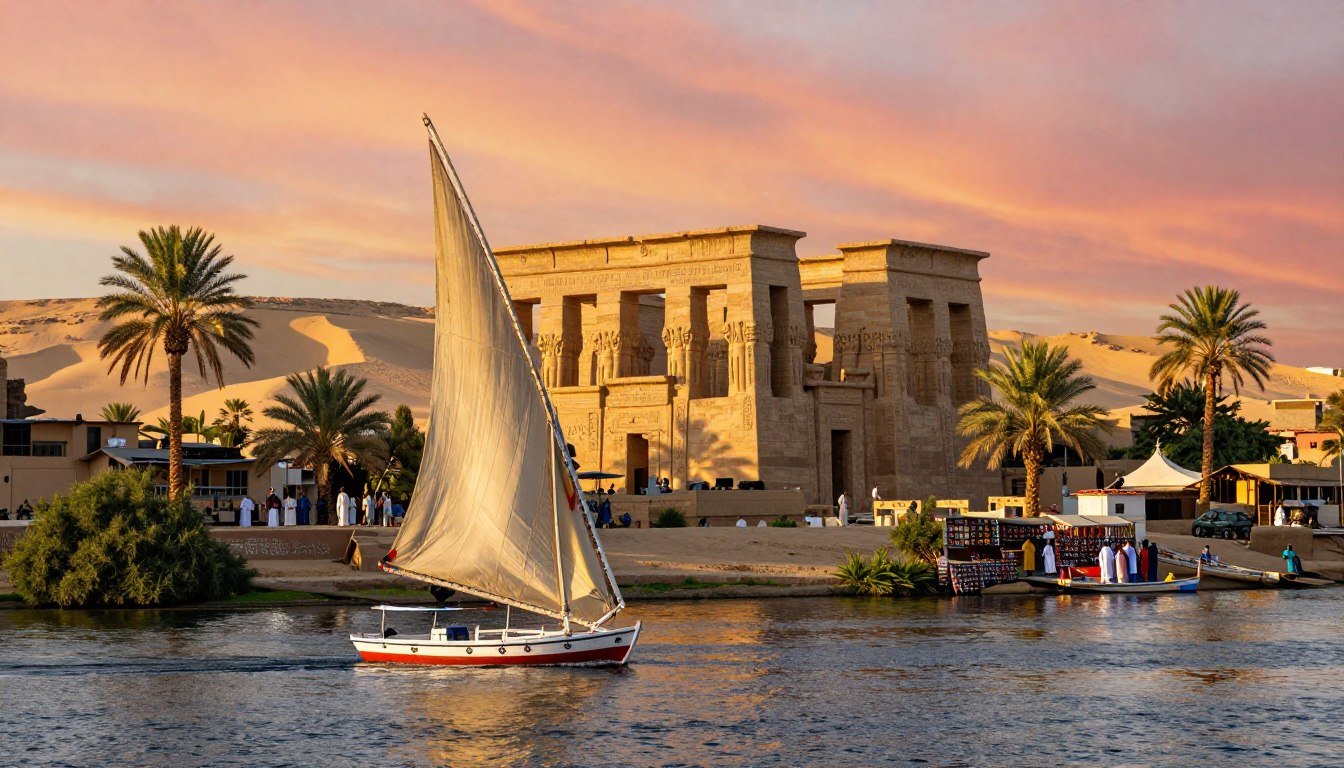
Aswan lies about two hundred fifteen kilometers (one hundred thirty-five miles) south of Luxor, yet its setting feels distinct. Here, the Sahara meets the Nile River, and desert light, river islands, and Nubian culture shape the pace of a visit. The city offers a striking place to explore ancient Egypt, from historic sites to routes toward Abu Simbel.
This aswan-travel-guide helps international travelers compare attractions, transport, accommodations, and the time needed for a comfortable stay. We focus on practical details, so you can plan each day and make informed choices before booking.
Oceanus Tours & Travel is a private Egypt tour company offering trips all over Egypt. We design tailor-made trips and explain what is included, what is arranged separately, and where extra costs may apply. Clear plans help reduce surprises along the way.
Whether you hope to visit Aswan for its temples, islands, or cultural experiences, use these details to shape a travel plan that fits your needs.
Key Takeaways
- Aswan sits where the Sahara meets the Nile, creating a distinctive landscape.
- The city is about two hundred fifteen kilometers (one hundred thirty-five miles) south of Luxor.
- Local highlights include historic sites, islands, Nubian culture, and access to Abu Simbel.
- Compare transport, accommodations, and visit times before finalizing your plans.
- We offer tailor-made trips in Aswan and Luxor, with clear details about arrangements and inclusions.
Aswan at a Glance: Plan Your Visit with Oceanus Tours & Travel
Beside the Nile River, Aswan brings river islands, desert edges, and historic sites into one compact city. If you plan to visit Aswan, we can arrange a private, tailor-made trip. Our team explains what is included and what may cost extra, so you can plan with less stress.
Why Stay Longer Than a Stopover?
Aswan offers more than a brief stop. The First Cataract is a rocky stretch that once formed a barrier to Nile navigation. Islands and historic sites add more ways to explore the city. A felucca ride around the islands lets you experience the water and, conditions permitting, the sunset. Weather and individual views can vary, so we cannot guarantee either.
What to Know Before You Go
Local souqs are often more relaxed than those in other Egyptian towns. Goods for sale reflect Nubian and African influences, offering a glimpse of local culture and daily life. Carry Egyptian pounds for small purchases, and check opening arrangements before setting out. These practical tips can help you use your time well.
We clarify transport, inclusions, and costs before you book. With varied attractions and welcoming people, Aswan rewards a considered pace.
aswan-travel-guide: Choose the Best Time and Trip Length
Choosing when to visit Aswan can shape your comfort and daily pace. The best dates depend on your interests, transport plans, and tolerance for heat.
When to Visit for Comfortable Weather
September to May is the most comfortable season, with winter daytime temperatures averaging around 25°C (77°F), which makes outdoor sightseeing more pleasant.
Summer temperatures can exceed 45°C (113°F). Plan outdoor visits for cooler hours, allow time to rest, and check current conditions before you travel.
How Many Days to Spend in Aswan
Two to three days is a practical starting point for the city’s main attractions, such as Philae Temple, the Nubian Museum, and Elephantine Island. This gives visitors time to explore without rushing each day.
Add time if you want to include Abu Simbel, local villages, or slower visits. Not every site will fit into one schedule, as transport arrangements affect the pace. Use these tips to choose a way of exploring that suits your plans, and confirm what each transfer includes.
Explore Philae Temple and Its Island Setting
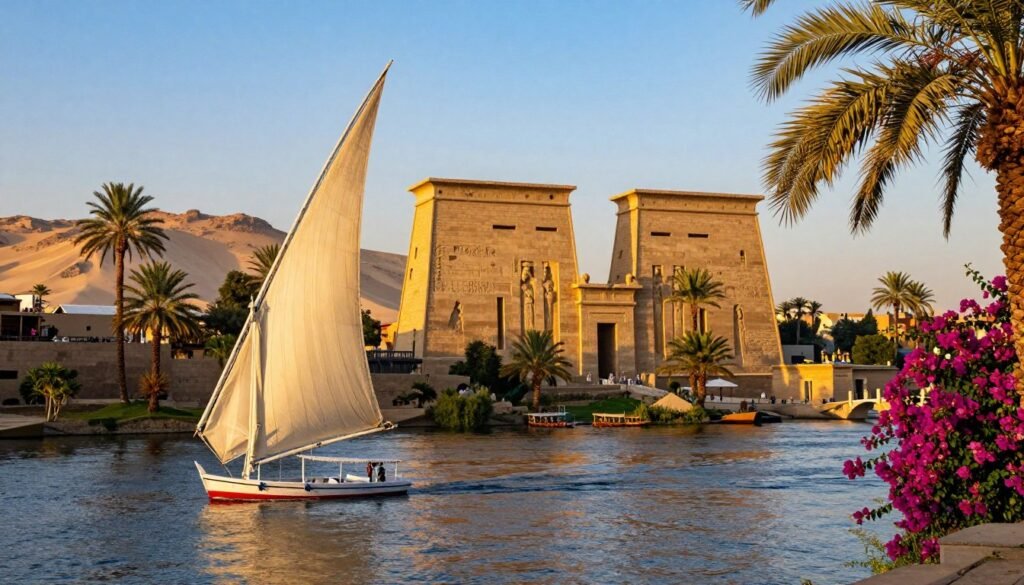
A visit to Philae begins with a boat crossing, then continues among carved stone and open courtyards. Philae Temple honors Isis and stands on Agilkia Island. Workers moved it there in the nineteen-seventies to protect it from flooding after the Aswan High Dam was built. Its setting and inscriptions offer a close look at ancient Egypt.
Take a Boat to Agilkia Island
The complex includes Egyptian and Greco-Roman design, with reliefs showing rituals, deities, and royal dedications. Visitors reach the site by boat, so confirm transfer details and current access before departure. Allow time for the crossing and the grounds. A felucca ride is a separate Nile River activity, not a substitute for the access boat.
Choose a Day Visit or Evening Show
An earlier visit may suit those who prefer to explore at a calmer pace, though crowd levels and views can vary. Philae Temple also hosts an evening sound-and-light show. Check its schedule and ticket arrangements, as they may change. For a considered way to see the temples, confirm opening details before setting out; light over the water is never guaranteed.
Plan a Day Trip to the Abu Simbel Temples
Abu Simbel lies 280 km (174 miles) south of Aswan, so visiting takes a full day rather than a short local outing. Many organized trips leave around 4:00 a.m. and reach the site near 7:00 a.m. Confirm the departure time with your operator, as schedules can vary.
What to See at the Temples of Ramesses II and Nefertari
At the Abu Simbel Temples, four seated statues of Ramesses II rise about 20 meters (65 feet) high. Nearby, a smaller temple honors Queen Nefertari. Together, the Simbel temples offer a striking view of ancient Egypt. In the 1960s, workers moved both temples about 65 meters (213 feet) to protect them from Lake Nasser’s rising water, in a major effort linked to the High Dam.
Compare Organized Tours and Private Transport
An organized tour can simplify transfers and site access. Private transport may offer more control over the day, but confirm the route and any security requirements first. Before booking, ask for written details on transport, entrance fees, guide services, and other inclusions. Clarify which items are arranged separately or cost extra. This helps visitors compare each way to travel and plan for the long return journey.
Discover Ancient Engineering at Aswan’s Historic Sites
Aswan’s quarry, dam, and relocated monuments show how people shaped stone and managed the Nile River. Together, these sites add a practical view of ancient Egypt beyond its royal tombs and temples.
See the Unfinished Obelisk in the Granite Quarry
The unfinished obelisk remains in the quarry where workers cut it from granite. About 42 meters long, it was abandoned after a major crack appeared in the stone. Nearby channels and shaping marks let visitors see evidence of ancient stoneworking. The unfinished obelisk helps make the quarry one of Aswan’s most revealing attractions.
Understand the Aswan High Dam and Lake Nasser
Built between 1960 and 1970, the Aswan High Dam helps regulate Nile River water, generate electricity, and support irrigation. Lake Nasser extends about 550 km behind the dam. Its rising water led to the relocation of several archaeological sites, including temples. This modern project changed the region and its relationship with the river.
Add New Kalabsha to Your Temple Visits
Beside Lake Nasser, New Kalabsha offers another look at ancient Egypt. Its Roman-era temple honors Mandulis, a Nubian god. We recommend checking access and transfer details before adding this granite-and-stone site to your plans.
Explore Elephantine Island, Yebu, and the Nilometer
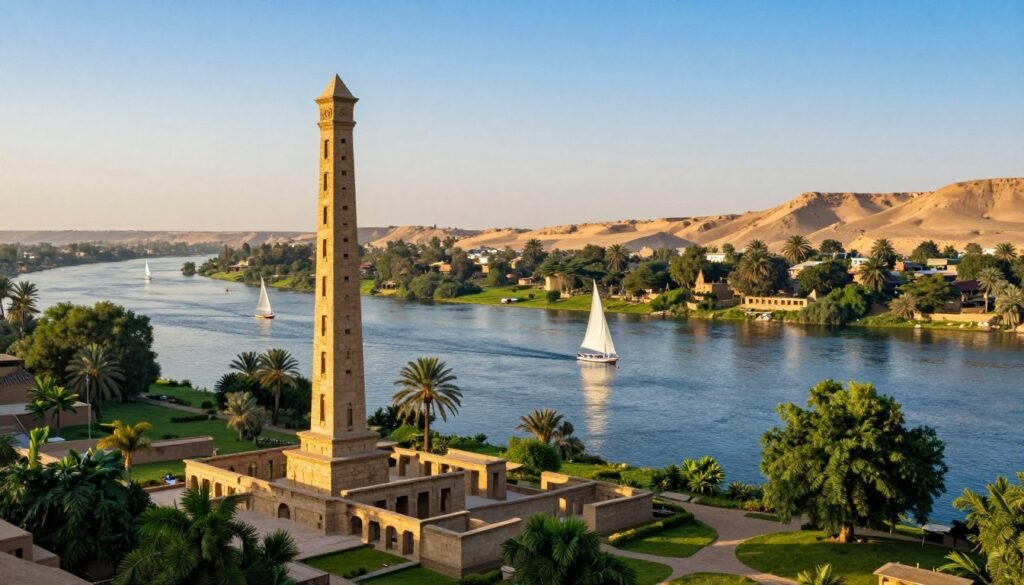
Elephantine Island was an ancient border settlement between Egypt and Nubian lands to the south. Its main town, Yebu, served as an important religious center. Set in the Nile River near the First Cataract, the island offers a glimpse into ancient Egypt and its changing communities.
Walk Through Island Villages and Archaeological Remains
As you explore Elephantine Island, distinguish active village areas from marked archaeological sites. Remains provide evidence of temples and community life, though access to specific features may vary. Some visitors also find references to tombs in the wider area; check current access before planning a visit. Please respect local people and their homes.
Learn How the Nilometer Tracked the Nile’s Rise
The Nilometer recorded changes in water levels. For century after century, these readings helped authorities plan irrigation, maintain canals, and assess taxes. Public ferries serve Elephantine Island from the city’s bank. Other boat arrangements may suit your route or schedule. Confirm the crossing details in advance, then take time to explore at a respectful pace.
Sail to Kitchener Island and the Aswan Botanical Garden
Kitchener Island became a botanical garden after Consul-General Kitchener received it in 1898. He gathered plants and seeds from different regions, giving the island a distinct role among Aswan’s attractions. Since larger Elephantine Island partly blocks it from the east bank, confirm your departure point and route before setting out.
See the Garden’s Exotic Plants and Palm-Lined Paths
Walk beneath 25 varieties of palm trees, then follow the central path. Pink granite paving and royal palms mark its route. Allow enough time to explore at a relaxed pace; garden conditions and views may vary.
Choose a Felucca or Motorboat for the Crossing
You can reach Kitchener Island by felucca or motorboat. A felucca offers a traditional sailing crossing, while a motorboat is generally faster. Availability, journey time, and cost depend on the arrangements. Ask about the return trip and confirm what the fare includes before boarding.
The Nile River crossing can fit with other water activities if your schedule allows. We recommend keeping plans flexible, as boat arrangements affect timing. Visitors who want a calm garden walk should leave room between transfers rather than rush from one stop to the next.
Experience Nubian Culture at the Museum and Local Villages
Nubian heritage comes into focus through its history, art, and living culture. In the city, museum displays and community visits offer different ways to learn. Approach each visit with curiosity and respect.
Learn About Nubian Heritage at the Nubian Museum
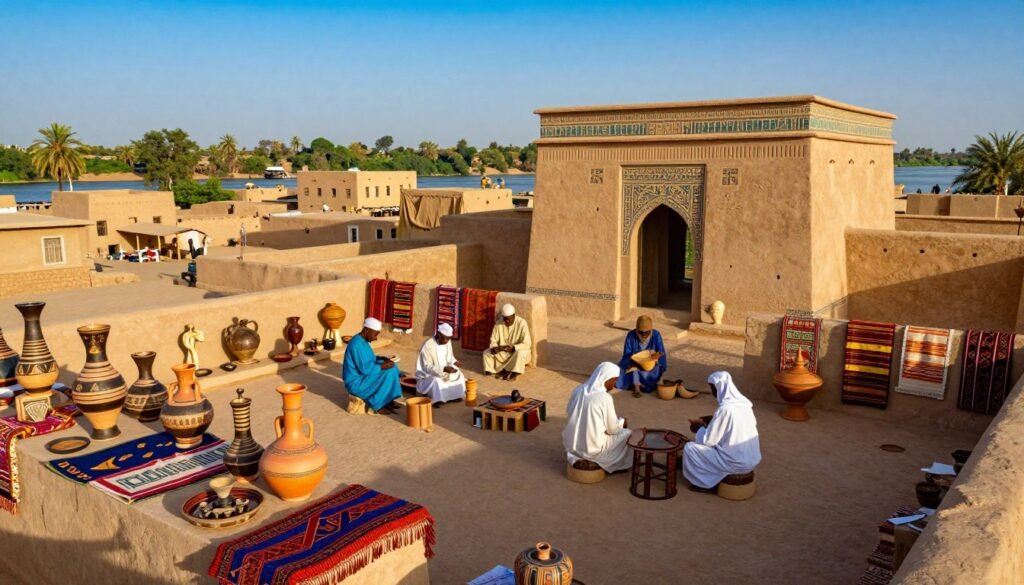
The Nubian Museum presents regional history through artifacts, exhibits, and displays of daily life. At the Nubian Museum, visitors can explore how Nubian culture developed along the Nile. Set aside time to view the collection at an easy pace. The Nubian Museum also adds context for nearby sites, including temples. Its exhibits offer a useful starting point for learning about Nubian people and their heritage.
Visit Nubian Villages with Respect for Local Customs
A visit to a Nubian village can offer insight into local architecture, food, and daily routines. Nubian villages are not all alike, and each household sets its own boundaries. Traditions continue through music, art, language, and customs. In a Nubian village, dress modestly and cover your shoulders and knees. Ask permission before photographing people or their homes. These simple tips help support respectful travel.
Sehel Island adds another layer of history, with more than two hundred inscriptions, including the Ptolemaic-era Famine Stela. Consider it alongside visits to Nubian villages to learn more about the region’s past and culture.
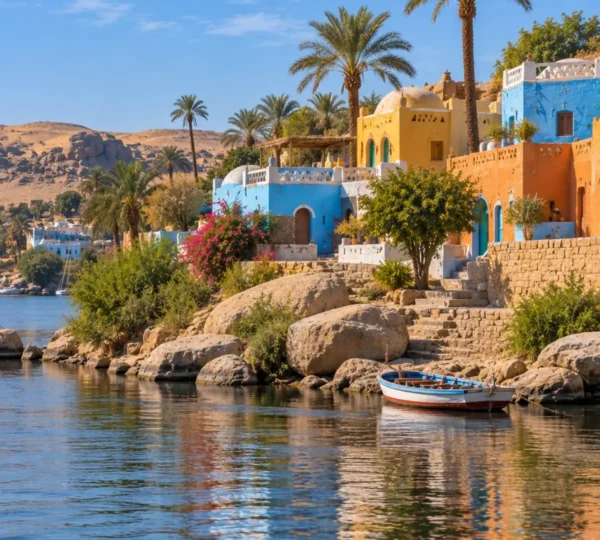
A Nubian village on the Nile near Aswan, shown for illustration.
Explore Aswan’s West Bank Tombs and Desert Landmarks
The west bank pairs ancient burial sites with quiet desert landscapes across the Nile River. Reach the area by boat or felucca, then continue on foot or arrange another local option where available. Check access and permissions before setting out, as routes and site conditions can vary.
Climb to the Tombs of the Nobles at Qubbet el-Hawa
Qubbet el-Hawa holds rock-cut tombs of officials from the Old and Middle Kingdoms. Some contain inscriptions and scenes of daily life. Reaching them means taking a steep climb from the river area, so wear sturdy shoes and allow time to rest. The elevated setting offers views, though conditions and access may affect what visitors see.
Visit St. Simeon’s Monastery and the Aga Khan Mausoleum
St. Simeon’s Monastery dates to the seventh century. From the west-bank landing, expect an uphill walk of about 30 minutes. The Aga Khan Mausoleum sits in a separate desert setting. Aga Khan III was buried there in 1957, but the tomb itself is closed to the public. Visits are for the surrounding area, not the interior. The Aga Khan site may offer additional views, but we recommend confirming access before your trip.
Browse the Souq and Sample Aswan’s Local Food
Aswan’s souq brings everyday goods and local crafts together in a lively setting. A little planning can make shopping and dining easier, while leaving room to enjoy the city’s culture at your own pace.
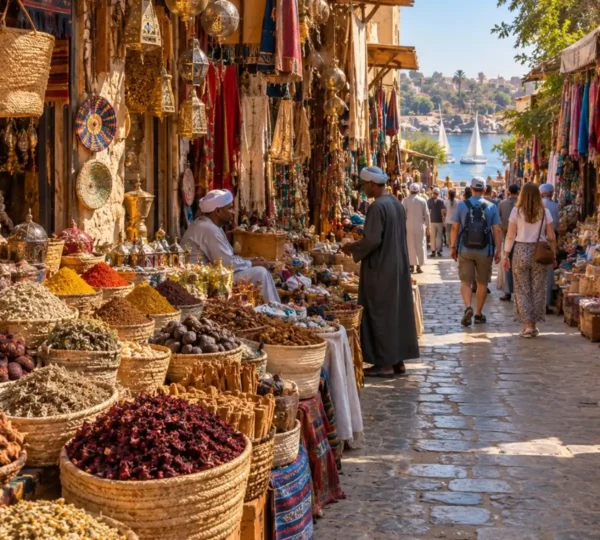
A traditional souk street in Aswan, shown for illustration.
Shop for Nubian Crafts and Egyptian Souvenirs
At Sharia el Souk, browse cotton, hibiscus flowers, Nubian baskets, dates, ebony canes, and crocheted skull caps. Visit in the morning or late afternoon, when the heat has eased. Inspect goods and agree on a price before you buy.
Find Local Dining Along the Nile and on Elephantine Island
Dining options range from Egyptian to international food, with places near the train station, along the Nile, and on Elephantine Island. Check current opening times, menus, and prices directly, since details can change.
The Sofitel Legend Old Cataract, built in 1899 for European travelers, remains a landmark hotel. Agatha Christie set parts of Death on the Nile there. The Sofitel Legend Old Cataract may interest readers of the novel, but confirm current access and facilities before visiting. These simple tips help you plan your time without assuming every service is available.
Get to Aswan and Choose the Best Way to Get Around
Your route to Aswan can shape how much time you have for exploring. Compare schedules, costs, and transfer details before you book, especially when connecting from Cairo or Luxor.
Compare Flights and Train Travel from Cairo or Luxor
Travelers coming from Cairo usually choose between a flight and a sleeper train. The flight to Aswan takes about one hour and twenty minutes, which leaves more time for exploring once you arrive. The sleeper train is a different experience: it runs overnight and takes about thirteen hours, so you travel and sleep on board and wake up closer to your destination. Schedules and availability can change, so check current details before you book.
If you are already in Luxor, you can also reach Aswan by Nile cruise, which lets you travel by river at a relaxed pace, with stops that depend on the itinerary.
Travel in a Private Vehicle for Every Transfer
With Oceanus Tours & Travel, our own private vehicle with a driver stays with you for every transfer during the trip. Individual travelers and couples ride in a private car, while groups travel together in a coaster minibus. This means you do not need to negotiate taxi fares or work out microbus routes between your hotel, the sites and the Nile. Boat crossings, such as those to the islands, are usually separate from the road transfer, so ask what is included before you go.
Airport pickup and entry tickets can be arranged separately for an additional fee. Clear details help you plan each day and avoid confusion during your travels.
Choose Where to Stay Along the Nile or on Elephantine Island
Your lodging choice affects daily travel, cost, and pace. Many established hotels sit along Kornish El Nile, while lower-cost stays are available within the city. Compare location, facilities, and transport needs before you book.
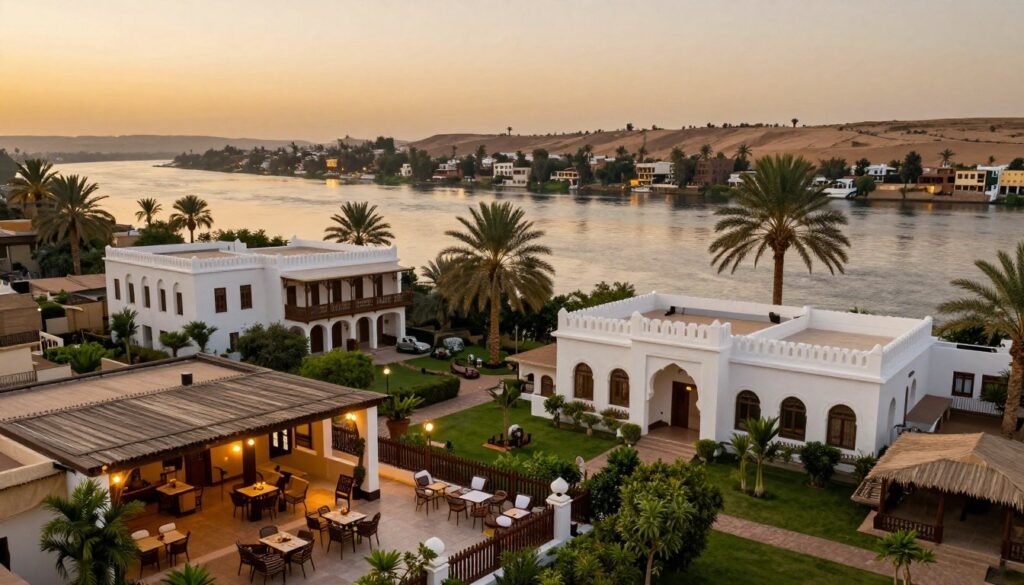
Compare Riverfront Hotels, Historic Stays, and Guesthouses
Riverfront hotels offer easy access to the Nile River and may have open views. For a historic hotel stay, consider the Sofitel Legend Old Cataract, which overlooks the First Cataract and hosted Agatha Christie. Mövenpick Aswan is another hotel option on Elephantine Island. These hotels are separate lodging choices, not automatic tour inclusions.
Guesthouses can offer a different price and atmosphere from larger hotels. Check the address, facilities, and what the rate covers directly. A central location may suit travelers who plan to explore on foot; a stay on the opposite bank may require boat transfers.
Consider a Nubian Village Stay for Cultural Immersion
A Nubian family stay can bring you closer to local customs and daily life. Confirm availability, household arrangements, and meals before booking. Ask us whether lodging, transfers, and meals are included in your itinerary or arranged separately. We recommend confirming all related costs in advance.
Build an Aswan Itinerary That Fits Your Travel Pace
A balanced plan leaves room for transfers, site visits, and rest. When you visit Aswan, choose a pace that suits your interests rather than trying to see every attraction at once.
Focus a Short Stay on Philae and the City’s Main Sights
With two days, start at Philae Temple, then visit the Unfinished Obelisk and High Dam. These city attractions offer a mix of history and engineering. Check opening hours and boat or road transfers before you set the schedule. For a temple visit, confirm how you will reach the site and what the crossing includes.
Use Extra Days for Abu Simbel, Nubian Villages, and Island Visits
Set aside a full day for Abu Simbel, about 280 kilometers (174 miles) from Aswan. It is a substantial excursion, not a quick stop between temples. If you plan to visit Aswan for three to four days, add a Nubian village, Elephantine Island, the botanical garden, or a desert walk. Extra time can make room for more attractions and a measured pace through the city, with space to enjoy the views.
Before choosing a tour, confirm whether transfers, licensed guide services, tickets, and meals are included or arranged separately at additional cost.
Book a Comfortable, Tailor-Made Aswan Tour with Oceanus Tours & Travel
A thoughtful itinerary starts with your dates, interests, and preferred pace. Contact Oceanus Tours & Travel to discuss a private Aswan plan shaped around your needs. We also offer private trips in Luxor.
Our team can help arrange visits to major attractions and plan a comfortable route between them. Review each proposed schedule with us, including travel time, pickup points, and transport details. A clear plan helps you know what to expect before booking.
Ask us to confirm in writing which transfers, licensed guide services, entrance tickets, meals, and lodging are included in the quoted arrangement. We will clarify costs and identify anything arranged separately. Any item not listed as included should be treated as separate and may involve an additional cost.
Share practical needs early, such as mobility concerns, meal preferences, or lodging requests. This gives our team time to prepare a clear proposal for your review before you book.
Conclusion
Aswan brings ancient sites, river islands, desert landscapes, and Nubian culture together in a distinctive southern Egyptian setting. The city offers varied attractions, from Philae’s temples to village visits and routes to Abu Simbel. Choose enough time for the places that matter to you; transfers can shape each day. Within the city, consider how far you want to travel between stops.
Before finalizing plans, check seasonal conditions, transport schedules, site access, and opening arrangements. Conditions can change, and river views or views from the west bank are not guaranteed. When visiting Nubian communities, dress modestly and ask people before taking photographs. This respects local life and household boundaries.
We recommend confirming every tour inclusion, transfer, and cost in writing. Clear details help visitors see what is included, what is arranged separately, and whether extra charges apply. With a suitable pace and clear plan, you can explore with confidence.
Contact Oceanus Tours & Travel today on (+20) 101 806 4111 or at info@oceanusluxor.com, or send us your enquiry to request your free quote. Tell us your dates and group size, and our team will prepare a tailor-made plan for you.
FAQ
Is Aswan worth more than a brief stop?
What is the best way to visit Philae Temple?
Can I visit Abu Simbel from Aswan in one day?
What is the Sofitel Legend Old Cataract known for?
Is a felucca ride suitable for exploring Aswan?
How do I reach Kitchener Island and Elephantine Island?
What should I know about visiting the Nubian Museum and villages?
How can I travel between Aswan and Luxor or Cairo?